Kyoto for first-timers: beating the crowds in 2026
How to get to and around Kyoto without the packed buses, when to visit each big sight, a two-day plan, the 2026 hotel tax and bus fare changes, and a worked daily budget.
Kyoto has about 1,600 temples and some of Japan's most photographed sights. It also has serious crowding, especially in spring and autumn, and the city is actively pushing back with higher hotel taxes and planned tourist bus fares. Timing is everything: the same temple can be calm at 07:30 and shoulder to shoulder at 11:00.
Go early, use trains and walk, and sleep in Osaka if Kyoto hotels are too dear.
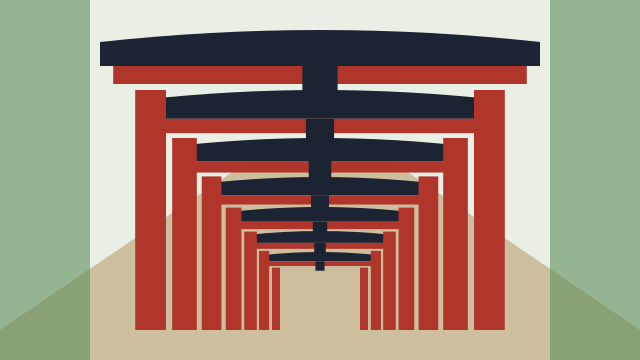
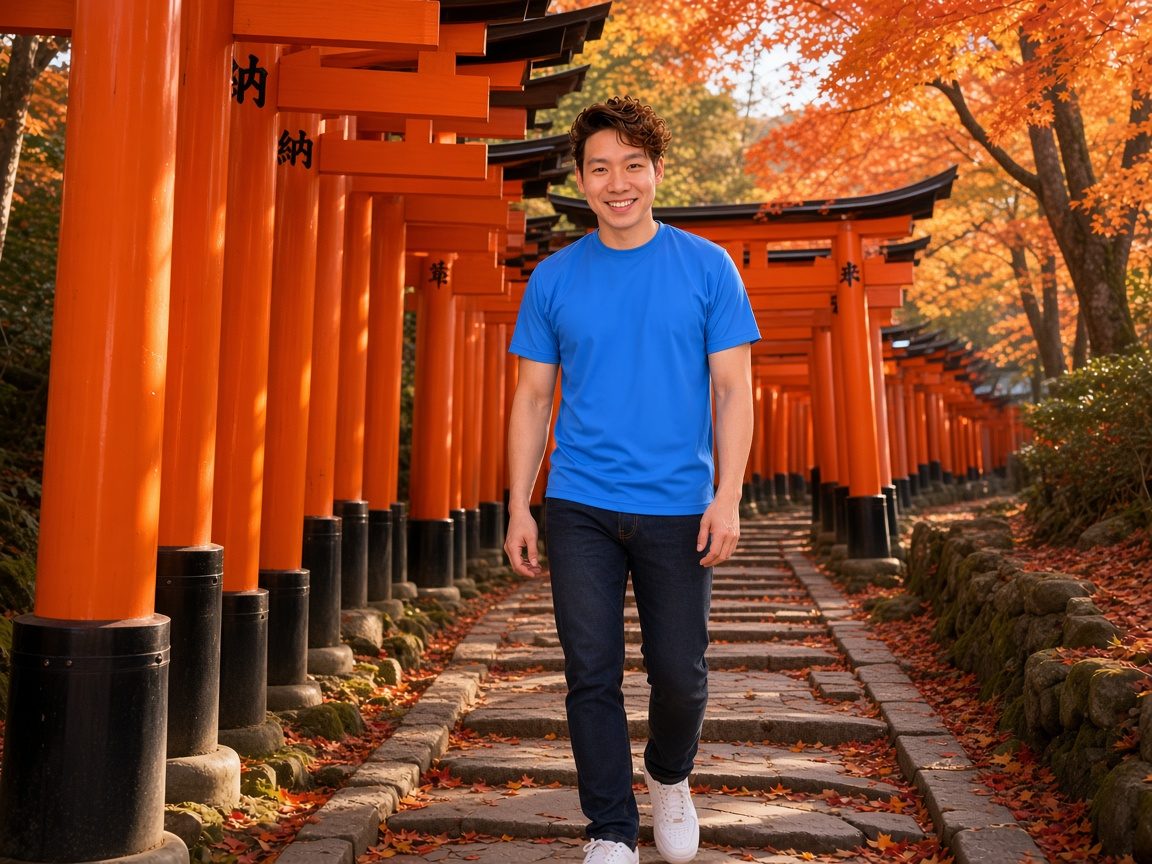
- Fushimi Inari and Arashiyama: arrive before 08:00. Fushimi Inari is open 24 hours and free.
- Getting around: JR, Keihan and the subway beat the crowded city buses. A bus ride is ¥230; the Subway & Bus 1-Day Pass is ¥1,100.
- Hotel tax from March 2026: ¥200 to ¥10,000 per person per night, depending on the room rate. Most mid-range stays pay ¥400 or ¥1,000.
- Getting there: about 2 hours 15 minutes from Tokyo by Nozomi (¥14,170 reserved).
Getting there
| From | How | Time | Adult fare (one way) |
|---|---|---|---|
| Tokyo | Nozomi shinkansen, reserved seat | about 2 h 15 min | ¥14,170 |
| Kansai Airport | JR Haruka limited express, reserved seat | about 75–80 min | ¥3,590 |
| Kansai Airport | HARUKA One-way Ticket (visitors only) | about 75–80 min | ¥2,700 from 1 Nov 2026 |
| Osaka | Shinkansen from Shin-Osaka, or regular JR, Hankyu or Keihan trains | under 15 min / about 30–45 min | varies |
See how to book the shinkansen and airport arrival steps.
Get around without the bus
Kyoto's city buses are often packed full, especially in spring and autumn, and they crawl in traffic. Use trains and walking where you can:
- JR Nara line to Fushimi Inari (Inari station is right by the gate).
- Keihan line along the east side, for Gion, Kiyomizu-dera (walk up from Kiyomizu-gojo) and Fushimi Inari.
- JR Sagano line to Arashiyama (Saga-Arashiyama station).
- Subway north–south (Karasuma line) and east–west (Tozai line) through the centre.
- Taxis are worth it for short hops between temples with three or four people.
| Ticket | Adult price (2026) | Notes |
|---|---|---|
| City bus, flat-fare zone | ¥230 | Pay when you get off; IC cards accepted |
| Subway & Bus 1-Day Pass | ¥1,100 (child ¥550) | All subway lines and city buses, plus some Kyoto Bus, Keihan Bus and JR Bus routes |
| IC card (Suica, PASMO, ICOCA) | pay per ride | Works on JR, subway, private railways and buses |
Bus fares are set to change. Kyoto City plans a two-tier fare from fiscal 2027: residents would pay ¥200 and everyone else ¥360 in the flat-fare zone. It still needs city assembly and national approval, so check before you travel in 2027.
Go early or late
| Sight | Best time | Adult entry |
|---|---|---|
| Fushimi Inari (red gates) | Before 08:00. Open 24 hours. | free |
| Arashiyama bamboo grove | Before 08:00 | free |
| Kiyomizu-dera | At opening, or the last hour before closing | ¥500 |
| Kinkaku-ji (Golden Pavilion) | At opening on a weekday | ¥500 |
| Gion | Early evening, but stay on public streets | free |
The upper part of Fushimi Inari's mountain trail is far quieter than the first few hundred metres of gates. Allow two to three hours for the full loop to the summit and back, or turn around at the Yotsutsuji viewpoint, about halfway.
Gion: rules to know
Some private lanes in Gion have banned tourists after complaints about people chasing geiko and maiko for photos. Signs mark them, and fines have been threatened. Never photograph geiko or maiko without permission, do not block doorways, and keep to the main streets after dark.
A two-day plan
- Day 1, east and south: Fushimi Inari at dawn → Tofuku-ji → lunch near Kyoto Station → Kiyomizu-dera → walk through Sannenzaka and Ninenzaka → Gion at dusk → dinner in Pontocho.
- Day 2, west and north: Arashiyama bamboo grove at dawn → Tenryu-ji → Okochi Sanso → train back → Kinkaku-ji → Nishiki Market late afternoon (many stalls close around 17:00–18:00).
With a third day, add Nara (about 45 minutes by train) or the quieter northern temples around Ginkaku-ji and the Philosopher's Path.
Money and the 2026 hotel tax
Kyoto's accommodation tax rose on 1 March 2026. It is charged per person per night, based on the room rate excluding meals and consumption tax.
| Room rate per person per night | Tax per person per night |
|---|---|
| Under ¥6,000 | ¥200 |
| ¥6,000 – ¥19,999 | ¥400 |
| ¥20,000 – ¥49,999 | ¥1,000 |
| ¥50,000 – ¥99,999 | ¥4,000 |
| ¥100,000 and over | ¥10,000 |
- Most temples charge ¥400–1,000 entry, and many smaller ones take cash only.
- Hotels cost the most in spring (late March to early April) and autumn (November). Staying in Osaka and visiting Kyoto as a day trip can be much cheaper. See every new travel fee for 2026.
Worked example: one day in Kyoto
Estimate One adult, Day 1 of the plan above, October 2026 prices; food is a typical mid-range figure.
| Item | Cost |
|---|---|
| Trains: Kyoto Station → Inari → Tofuku-ji → Kyoto Station, then Keihan to Kiyomizu-gojo (IC card) | about ¥700 |
| Kiyomizu-dera | ¥500 |
| Tofuku-ji (Tsutenkyo bridge and gardens) | about ¥600–1,000 |
| Lunch, snacks and dinner | ¥4,000–7,000 |
| Hotel tax (room ¥6,000–19,999 per person) | ¥400 |
| Total, excluding the room | about ¥6,200–9,600 |
Where to stay in Kyoto
| Area | Good for | Watch out for |
|---|---|---|
| Around Kyoto Station | Arrivals by shinkansen and Haruka, day trips to Nara and Osaka, Fushimi Inari on the JR Nara line | Less atmosphere in the evening |
| Shijo-Karasuma and Kawaramachi | Restaurants, Nishiki Market, subway and Hankyu trains, walkable to Gion | Busy streets; hotels fill early in peak season |
| Gion and Higashiyama | Early starts at Kiyomizu-dera and the old streets before the crowds | Highest prices; hilly lanes with luggage |
Wherever you stay, check the room rate band against the hotel tax table below. Most booking sites do not include the tax in the price; it is collected at the hotel.
When to go
- Cherry blossom (usually late March to early April) and autumn leaves (usually mid to late November) are the most beautiful and the most crowded. Hotel prices peak.
- Summer is hot and humid. July brings the Gion Matsuri festival, with huge crowds in the city centre.
- Winter (December to February, outside New Year) is the quietest time, and the big sights are much calmer even at midday.
- Weekdays are noticeably quieter than weekends and Japanese public holidays all year.
Common mistakes
- Starting at 10:00. By then the famous sights are at their busiest.
- Relying on the bus for everything. Full buses pass stops without stopping in peak season.
- Trying to see east and west Kyoto in one day. Arashiyama and Kiyomizu-dera are at opposite ends of the city.
- Bringing a big suitcase onto a city bus. Use station lockers or send it ahead.
- Forgetting cash for temple entry and small shops.
Watch: Kyoto’s top sights on video
FAQ
How many days do you need in Kyoto?
Two full days covers the main east, south and west sights at a sensible pace. A third day allows Nara or the quieter northern temples.
What time should I visit Fushimi Inari?
Before 08:00, or in the evening. The shrine is open 24 hours and free to enter, and the upper trail is quieter at any time.
How much is the Kyoto bus?
A city bus ride in the flat-fare zone costs ¥230 for adults in 2026. The Subway & Bus 1-Day Pass costs ¥1,100. Kyoto plans a higher ¥360 fare for non-residents from fiscal 2027, subject to approval.
How much is Kyoto’s hotel tax in 2026?
Since 1 March 2026 it is ¥200 to ¥10,000 per person per night, based on the room rate: ¥400 for ¥6,000–19,999 and ¥1,000 for ¥20,000–49,999.
Is it better to stay in Kyoto or Osaka?
Kyoto is better for early starts at the big sights. Osaka is usually cheaper and only 15 to 45 minutes away by train, so it works well if you are watching the budget.
- Kyoto City Bus & Subway: bus fares
- Kyoto City Bus & Subway: Subway & Bus 1-Day Pass
- Mainichi: Kyoto plans dual bus fares with a citizen discount
- Kyoto City: accommodation tax rates from 1 March 2026 (Japanese)
- JR West: HARUKA One-way Ticket
- JR Group: Haruka fares (Japanese)
- Kinkaku-ji: access and admission
- Time Out: Kyoto's hotel tax hike takes effect