Tokyo Subway Ticket: unlimited rides from ¥1,000 a day
2026 prices for the 24, 48 and 72-hour Tokyo Subway Ticket, what it covers and what it does not, the new QR version, and break-even maths against an IC card.
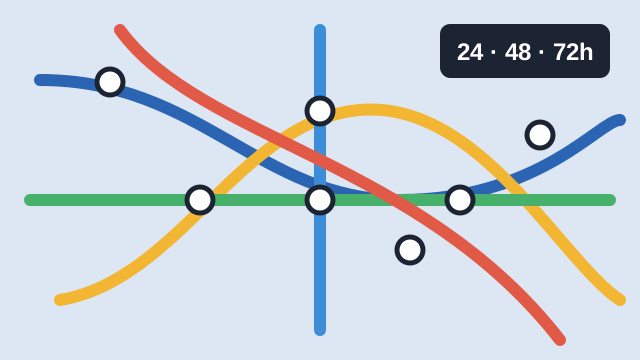
Tokyo has two subway operators, Tokyo Metro and Toei, plus JR lines and a web of private railways. The Tokyo Subway Ticket covers both subway operators, which between them reach most of the places visitors go: Asakusa, Ginza, Shibuya, Shinjuku, Roppongi, Ueno and Tsukiji. Prices went up on 14 March 2026, so older guides quoting ¥800 a day are out of date.
Worth it if you ride the subway five or more times a day, or buy the 72-hour version.
- Prices since 14 March 2026: 24 hours ¥1,000, 48 hours ¥1,500, 72 hours ¥2,000 (children half).
- Covers all Tokyo Metro and Toei Subway lines. Does not cover JR (including the Yamanote line), private railways or airport trains.
- Who can buy it: visitors from overseas and travellers from outside the Tokyo area.
- Keep an IC card for JR lines and buses.
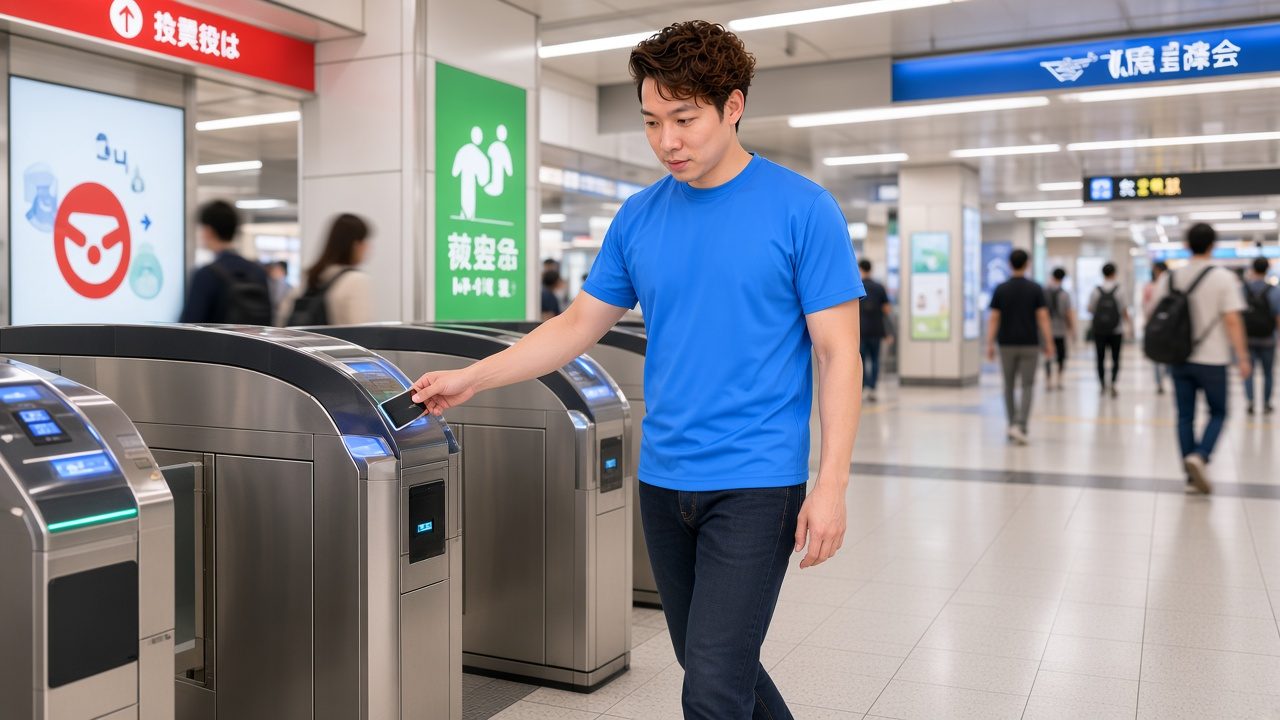
2026 prices
| Duration | Adult | Child (6–11) | Adult per day |
|---|---|---|---|
| 24 hours | ¥1,000 | ¥500 | ¥1,000 |
| 48 hours | ¥1,500 | ¥750 | ¥750 |
| 72 hours | ¥2,000 | ¥1,000 | about ¥667 |
Before 14 March 2026 the prices were ¥800, ¥1,200 and ¥1,500. The clock runs from your first ride (from the time of purchase on the PASMO version), counted in hours, not calendar days. Start a 24-hour ticket at 10:00 and it runs until 10:00 the next morning.
What it covers
- All Tokyo Metro lines: Ginza, Marunouchi, Hibiya, Tozai, Chiyoda, Yurakucho, Hanzomon, Namboku and Fukutoshin.
- All Toei Subway lines: Asakusa, Mita, Shinjuku and Oedo.
What it does not cover
- JR lines, including the Yamanote loop line and the Chuo line to Shinjuku.
- Private railways (Odakyu, Keio, Tokyu, Seibu, Tobu, Keisei, Keikyu) and the airport trains.
- Toei buses, the Toden Arakawa tram, the Nippori-Toneri Liner and the Yurikamome line to Odaiba.
- Through-running trains beyond the subway: if your train continues onto a private line, you pay the extra fare from the boundary station.
Paper, PASMO or QR: which version
| Version | How you use it | Watch out for |
|---|---|---|
| Paper ticket | Feed it through any ticket gate | Easy to lose; exchange vouchers must be swapped at set counters |
| On a PASMO card | Tap the card at any gate | The validity runs from the time of purchase, not first ride |
| QR ticket (since 25 March 2026) | Open the ticket on your phone, press "start", scan at a gate with a QR reader | Only one gate per station has a QR reader; screenshots and printouts are not accepted; your phone must stay charged |
Does it pay? The break-even maths
Single subway fares in Tokyo start at ¥180 (¥178 by IC card). Most trips visitors make cost ¥180 to ¥260; the longest Tokyo Metro fare is ¥330 and Toei goes up to ¥430. Switching between Tokyo Metro and Toei on one journey costs a little less than two separate fares.
- Count the subway rides you expect each day. Leave out JR rides.
- Multiply by about ¥210, a typical single fare.
- Compare with the pass price per day: ¥1,000, ¥750 or about ¥667.
With the 24-hour ticket you need about five rides to come out ahead. With the 72-hour ticket, three or four rides a day is enough.
Worked example: three days in Tokyo
Estimate One adult, typical IC fares, October 2026. Actual fares depend on distance.
| Day | Subway route | Rides | IC fares (approx.) |
|---|---|---|---|
| 1 | Hotel in Ueno → Asakusa → Oshiage (Skytree) → Ginza → back to Ueno | 4 | ¥780 |
| 2 | Ueno → Tsukiji → Roppongi → Shibuya → Omotesando → Ueno | 5 | ¥1,060 |
| 3 | Ueno → Akihabara → Iidabashi → Shinjuku-sanchome → Ueno | 4 | ¥850 |
| Total by IC card | about ¥2,690 | ||
| 72-hour Tokyo Subway Ticket | ¥2,000 | ||
The 72-hour ticket saves roughly ¥700 here, and it also removes the small decisions: you hop off for a coffee or an extra stop without thinking about fares. If you spend a day on JR (for example the Yamanote line round Harajuku and Shinjuku), that day will not count, so a 48-hour ticket plus an IC card may be the better fit.
Where to buy it
It is sold to visitors from overseas (bring your passport for counter sales) and to travellers coming to Tokyo from outside the Tokyo area. You can buy it at airport counters and machines at Narita and Haneda, at some station and tourist counters in Tokyo, at participating stores, and online through Tokyo Metro's ticket partners and booking platforms such as Klook. Online exchange vouchers must be swapped for the ticket at the listed counters or machines, so check where before you land.
Which lines go where
You do not need to learn the whole map. A handful of lines reach most of the places first-time visitors want, and planning each day around one or two of them keeps rides short.
| Line | Useful stops for visitors |
|---|---|
| Ginza line (Tokyo Metro, orange) | Asakusa, Ueno, Ginza, Omotesando, Shibuya |
| Hibiya line (Tokyo Metro, grey) | Ueno, Akihabara, Ginza, Tsukiji, Roppongi, Ebisu |
| Marunouchi line (Tokyo Metro, red) | Tokyo Station, Ginza, Shinjuku |
| Hanzomon line (Tokyo Metro, purple) | Shibuya, Omotesando, Kudanshita, Oshiage (Tokyo Skytree) |
| Oedo line (Toei, magenta) | A long loop: Shinjuku, Roppongi, Tsukijishijo, Ryogoku (sumo and the Edo-Tokyo area), Ueno-okachimachi |
| Asakusa line (Toei, pink) | Asakusa, Oshiage, Higashi-ginza; through trains continue to Haneda and Narita (airport section not covered) |
Station signs and announcements are in English, and every station has a letter-and-number code (for example G-19 for Ginza line Asakusa), which makes transfers easy to follow in a maps app.
Other Tokyo day tickets compared
| Ticket (adult) | Price | Covers | Who can buy |
|---|---|---|---|
| Tokyo Subway Ticket, 24 hours | ¥1,000 | Tokyo Metro and Toei Subway | Visitors from overseas and from outside the Tokyo area |
| Tokyo Metro & Toei Subway 1-Day Ticket | ¥1,100 | Tokyo Metro and Toei Subway, one calendar day | Anyone |
| Tokyo Free Kippu | ¥1,720 | Subways plus JR lines within the 23 wards, Toei buses and the Toden tram | Anyone |
| IC card, pay per ride | from ¥178 a ride | Almost everything | Anyone |
If you qualify, the Tokyo Subway Ticket is the cheapest way to ride the subway all day. The Tokyo Free Kippu only makes sense on a day you also ride a lot of JR within central Tokyo.
Common mistakes
- Using it on the Yamanote line. The gates will reject it. JR needs an IC card or a JR ticket.
- Buying a 24-hour ticket for a half day. Three short rides cost less than ¥1,000.
- Screenshotting the QR ticket. Only the live screen in the app works, and only at gates with a QR reader.
- Riding through to a private line. Many subway trains continue onto Tokyu, Odakyu or Keisei tracks. Get off before the boundary or pay the difference at a fare adjustment machine.
Watch: where the Tokyo Subway Ticket can take you
FAQ
How much is the Tokyo Subway Ticket in 2026?
Since 14 March 2026: ¥1,000 for 24 hours, ¥1,500 for 48 hours and ¥2,000 for 72 hours for adults. Children pay half.
Does the Tokyo Subway Ticket cover the JR Yamanote line?
No. It covers only Tokyo Metro and Toei Subway lines. JR lines, private railways and airport trains need a separate ticket or an IC card.
Can I use the Tokyo Subway Ticket from Narita or Haneda?
Not on the airport trains themselves. Keisei, Keikyu, the Tokyo Monorail and JR are not covered. It starts paying once you reach a subway line in the city.
Is the Tokyo Subway Ticket worth it?
For the 24-hour ticket you need about five subway rides to save money. The 72-hour ticket pays off at three or four rides a day.
Who can buy the Tokyo Subway Ticket?
Visitors from overseas and travellers coming to Tokyo from outside the Tokyo area. Counter sales may ask to see a passport.